
How to Make Botox Results Last Longer (Expert Tips)
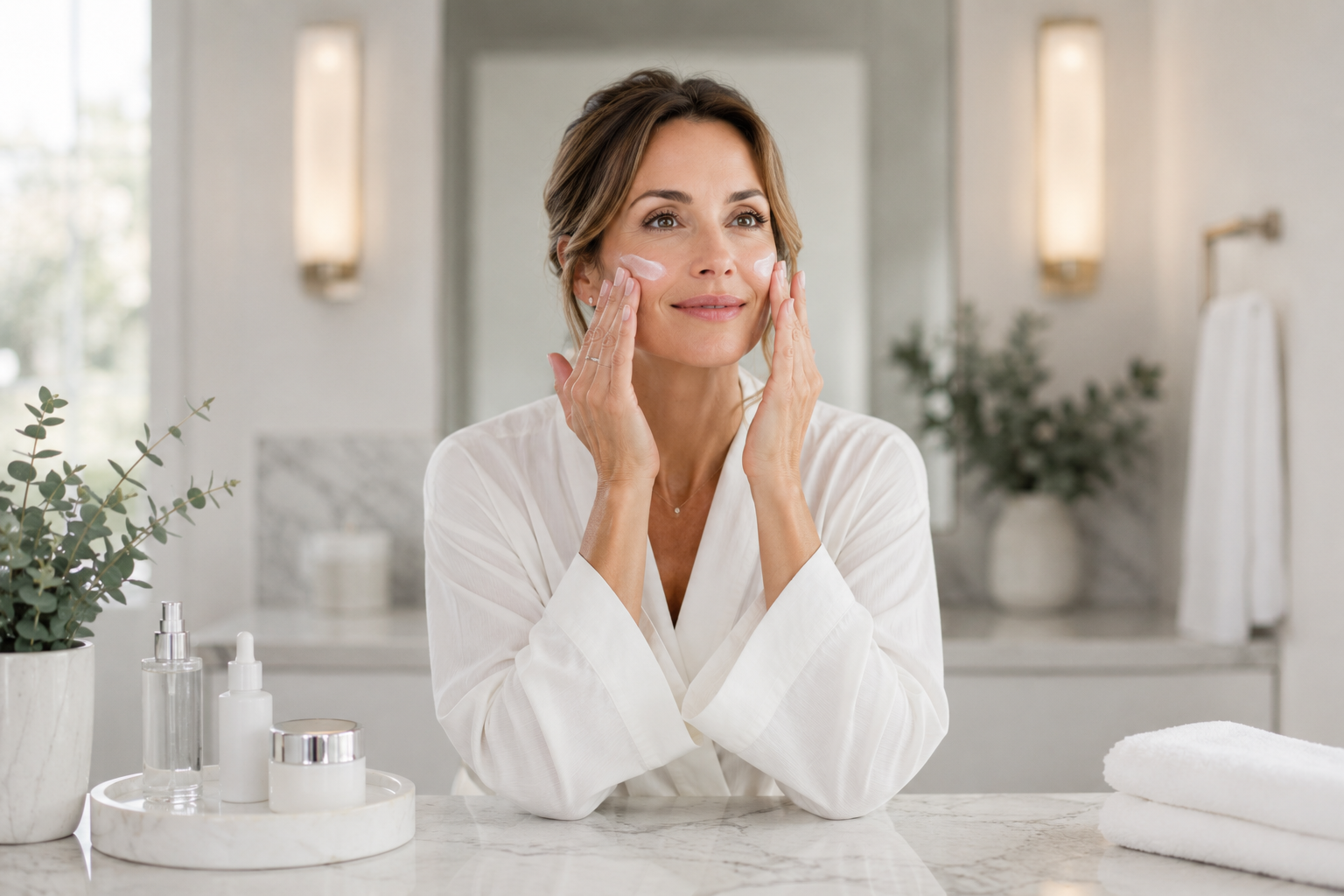
Botox smooths the lines that form when you frown, squint, or lift your brows, and the effect holds for a set stretch of time before the muscle gradually returns to its old habits. Most people want that smooth window to last as long as it can, both to stretch the value of each appointment and to keep the mirror looking the way they like it. A good part of that duration is within your control.
How long your results hold depends on more than the injection itself. Your muscle strength, your metabolism, your skincare, and the timing of your next visit all shape how quickly the effect fades. This guide walks through the habits that extend Botox results, drawn from how the treatment works and what clinicians see in practice.
At esthetic. in Portland, Maine, our providers talk through these habits with patients so the results of each session go the distance. A handful of small adjustments can make a real difference in how long you stay smooth.
How long does Botox normally last?
Botox typically lasts three to four months for most people and most treatment areas. During that time the botulinum toxin quiets the nerve signals that tell a muscle to contract, so the skin above creases less and existing lines soften. As the body slowly clears the medication, the nerve endings form new connections, the muscle regains its pull, and movement returns.
That three-to-four-month figure is an average rather than a guarantee. First-time patients sometimes find their earliest treatment fades a little sooner, while people who return on a steady schedule often notice the effect stretching out over time. Our article on how long Botox lasts covers the full range and why it shifts from one person to the next.
What makes Botox wear off faster?
Several factors influence how quickly the effect fades, and knowing them helps you see which levers you can pull. Some are fixed, such as your genetics and the natural speed of your metabolism. Others follow from daily choices.
Strong, active muscles tend to break through the effect sooner. Someone with a powerful, frequently used frown muscle may find their forehead moving again before someone with a gentler expression does. Dose matters as well. An underdosed area wears off faster than one treated with an amount matched to the muscle, which is one reason a careful assessment beats a rushed one. The area treated plays a part too, since the small muscles around the eyes often hold results differently than the larger muscles of the forehead.
Lifestyle fills in the rest. A fast metabolism clears the medication more quickly, very frequent high-intensity exercise appears to shorten duration for some patients, and heavy sun exposure ages the surrounding skin in ways that make lines more stubborn. None of this means Botox will not work well. It simply sets the backdrop your results play out against.
The way your body has responded before is another clue. Some patients metabolize botulinum toxin faster than average and consistently see results fade toward the shorter end of the range, no matter how careful their aftercare. That pattern is worth flagging to your provider, who can adjust the dose or the interval to suit how your muscles actually behave rather than a textbook average.
Why results vary
Botox longevity is shaped by biology and habit together. Muscle strength, metabolism, dose, and the area treated set the starting point, while sun exposure and the consistency of your visits decide how much of that window you keep.
Does your treatment schedule affect how long results last?
Timing is one of the most reliable ways to get more from Botox. When you let the effect wear off completely and wait months before returning, the muscle regains its full strength between sessions and starts each new treatment from square one. When you return before movement fully comes back, the muscle stays in a quieter state, and over time it can weaken slightly from the reduced activity.
Patients who keep a consistent schedule often report that their results last longer and that they need a little less product to maintain them. The muscle has been coaxed toward stillness, so it takes less to keep it there. Booking Botox in Portland, Maine at regular intervals, rather than waiting until every line has fully returned, is one of the simplest ways to extend your smooth window.
Your provider can help you settle on the right cadence. For many people that lands somewhere around the three-month mark, timed so the next appointment arrives as the previous results begin to soften rather than after they have vanished.
Can skincare and sun protection extend your results?
Healthy skin holds a smooth appearance for longer, so the care you give your skin between appointments supports the work Botox does. Daily sunscreen is the single most valuable habit here. Ultraviolet light breaks down collagen and elastin, the proteins that keep skin springy, and skin with less of that support creases more readily and holds lines longer. Wearing broad-spectrum SPF each morning protects the foundation your results rest on.
A steady skincare routine adds to this. Ingredients such as retinoids and vitamin C support collagen over time, and consistent hydration keeps the skin surface supple. This does not replace the injection, though it keeps the canvas in better condition, so the smoothing effect reads more clearly and lingers a little longer. Our team can point you toward professional facial treatments in Portland, Maine that complement your injectable results and keep your skin in good shape between visits.
Do diet and supplements change how long Botox lasts?
Nutrition sits lower on the list than timing or sun protection, though one area has drawn research attention. Botulinum toxin is a zinc-dependent molecule, which led researchers to ask whether raising zinc levels might lengthen its effect.
What the research found
In a 2012 study published in the Journal of Drugs in Dermatology, 92% of patients who took 50 mg of zinc with phytase before their injections saw their toxin effect last nearly 30% longer on average (Koshy et al., 2012). The trial was a small pilot, so treat the finding as promising rather than settled, and raise it with your provider before adding any supplement.
Beyond that single line of research, staying well hydrated and eating a balanced diet supports steadier results in a quieter way, mainly by keeping your overall skin health high. There is no need to overhaul your routine chasing a longer Botox window. The larger gains come from timing and sun care.
Which habits help, and which shorten your results?
It helps to see the everyday choices side by side. The table below sorts common habits by whether they tend to protect your results or work against them.
| Habits that help results last | Habits that shorten results |
|---|---|
| Wearing broad-spectrum SPF every day | Frequent unprotected sun exposure and tanning |
| Returning for maintenance on a consistent schedule | Waiting until results fully wear off before rebooking |
| Following your provider's aftercare on treatment day | Rubbing or massaging the area soon after injection |
| A steady routine with retinoids and vitamin C | Skipping skincare and letting skin dry out |
| A dose matched to your muscle by an experienced injector | Underdosing or spacing units too thinly to save money |
What should you do right after your Botox appointment?
The hours right after treatment shape how well the medication settles into the intended muscles. A few simple steps protect your investment on day one:
Stay upright for about four hours and avoid lying face down, so the product stays where it was placed.
Skip strenuous exercise, saunas, and intense heat for the first day, since raised blood flow can move the medication before it takes hold.
Avoid rubbing or massaging the treated areas for the first several hours, and hold off on facials or other work in that zone until your provider gives the go-ahead. These early precautions cost you almost nothing and help the full dose land where it should.
Treatment-day reminder
Stay upright, keep your hands off the treated area, and save the workout for tomorrow. Botox needs a few undisturbed hours to bind to the right muscles, and protecting that window is one of the easiest wins for longer results.
Are there treatments that pair well with Botox to keep a smooth look?
Botox relaxes the muscles that create movement lines, and it works alongside other treatments that address different signs of aging. When volume loss or deeper static lines are part of the picture, dermal fillers in Portland, Maine restore fullness that Botox alone does not target, and the two are often planned together for a more rounded result.
The type of neuromodulator can also factor into duration. Dysport in Portland, Maine is another botulinum toxin that spreads a little differently and, for some patients, takes hold faster, which is worth raising if you are weighing your options. The right treatments, timed well, tend to keep the overall look fresher for longer than any single approach on its own.
When should you book your next Botox appointment?
The sweet spot is to return as your results begin to fade rather than after they are gone. For most people that means scheduling roughly every three to four months, adjusted to how your own muscles respond. Jotting down when you first notice movement returning gives your provider useful information for fine-tuning the timing and dose at your next visit.
Staying with the same practice helps as well. A provider who knows your face and your muscle patterns can shape each treatment to build on the last, which is how many patients gradually stretch their intervals and get more from every session. Avoid the temptation to chase a bargain by hopping between injectors, since the continuity you lose usually costs more in results than any single visit saves.
It is also worth having a realistic conversation about a big event. If you want to look your best for a wedding or a milestone, plan the treatment two to three weeks ahead so the effect has time to settle fully, and keep your maintenance schedule steady in the months leading up to it rather than crowding several sessions together at the end.
Book Botox in Portland, Maine
Longer-lasting results come from a plan built around your muscles and your everyday habits, and that starts with a conversation. At esthetic. on Middle Street in Portland, our providers assess how your face moves and recommend a treatment schedule, then walk you through the aftercare and lifestyle steps that keep your results going strong. We welcome patients from across Greater Portland, including South Portland, Cape Elizabeth, Falmouth, and Cumberland.
To build a Botox plan around your goals, reach out to our Portland team to schedule a consultation, or call us at (207) 618-5792.
References
1. Koshy JC, Sharabi SE, Feldman EM, Hollier LH, Patrinely JR, Soparkar CN. Effect of Dietary Zinc and Phytase Supplementation on Botulinum Toxin Treatments. Journal of Drugs in Dermatology. 2012;11(4):507-512. https://jddonline.com/articles/effect-of-dietary-zinc-and-phytase-supplementation-on-botulinum-toxin-treatments-S1545961612P0507X/
2. Cleveland Clinic. Botulinum Toxin Injections (Botox): What It Is, Results and Side Effects. https://my.clevelandclinic.org/health/treatments/8312-botulinum-toxin-injections
3. Cleveland Clinic. Botox Aftercare: The Dos, Don'ts and Don't-Worry-About-Its. https://health.clevelandclinic.org/botox-aftercare